Focus on Sustainable Results
We promote farming systems that consider long-term productivity rather than short-term output alone. Responsible agriculture should protect soil, use water carefully, support biodiversity, and reduce avoidable waste.
Sustainable agriculture for a changing world
At CropCircle Grow, we believe that agriculture is more than the production of food. It is a foundation for healthy communities, resilient economies, responsible land management, and a more sustainable future. Our goal is to help farmers, food producers, agricultural entrepreneurs, retailers, and environmentally conscious consumers discover practical opportunities in modern agribusiness and organic farming.
From soil preparation and crop planning to sustainable production, farm management, and market development, CropCircle Grow brings together useful knowledge and forward-thinking ideas for people who want to grow responsibly. We support agricultural projects that respect natural ecosystems, encourage efficient resource use, and create reliable value from field to table.
Whether you are planning to establish an organic farm, improve an existing agricultural operation, explore profitable crop opportunities, or build a responsible food brand, our platform is designed to provide inspiration, structure, and practical direction. CropCircle Grow combines traditional farming wisdom with modern agricultural methods to help create productive, adaptable, and environmentally responsible businesses.
Our agricultural perspective
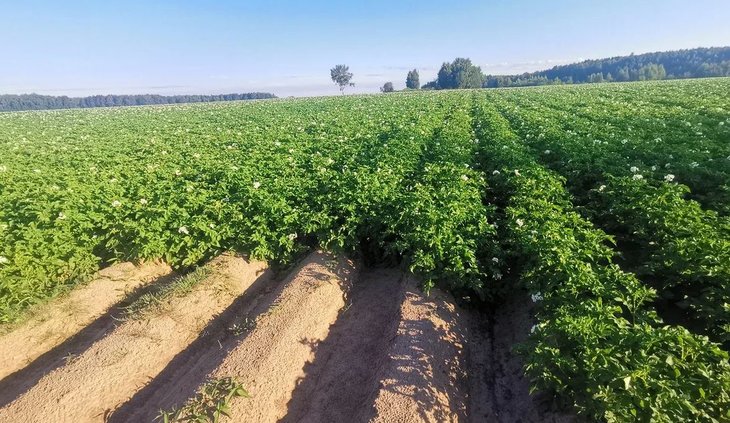
CropCircle Grow was created to support the development of sustainable agribusiness and organic farming. We understand that agricultural success depends on many interconnected factors, including soil quality, climate conditions, water availability, crop selection, labor, technology, logistics, marketing, and consumer demand.
Our approach begins with the belief that every agricultural project is unique. A small family farm has different needs from a commercial greenhouse, while an organic orchard requires a different strategy from a vegetable subscription business or a livestock operation. For this reason, we focus on flexible concepts that can be adapted to different regions, farm sizes, production models, and business goals.
Organic farming is not simply a trend. It is a production philosophy that emphasizes soil health, biodiversity, natural resource protection, and responsible care for animals and crops. When properly planned, organic agriculture can help reduce dependence on synthetic inputs, improve long-term land productivity, and strengthen a farm’s relationship with its customers.
We aim to make agricultural knowledge accessible, understandable, and useful. Our content focuses on practical decision-making rather than unrealistic promises. A successful farm requires patience, planning, careful observation, and continuous improvement. CropCircle Grow encourages producers to evaluate risks, understand local conditions, record results, and make informed choices based on evidence and experience.
Our vision is to contribute to a stronger agricultural community in which farmers can improve productivity without compromising the health of the soil, the welfare of animals, or the quality of the surrounding environment.
Responsible agricultural thinking
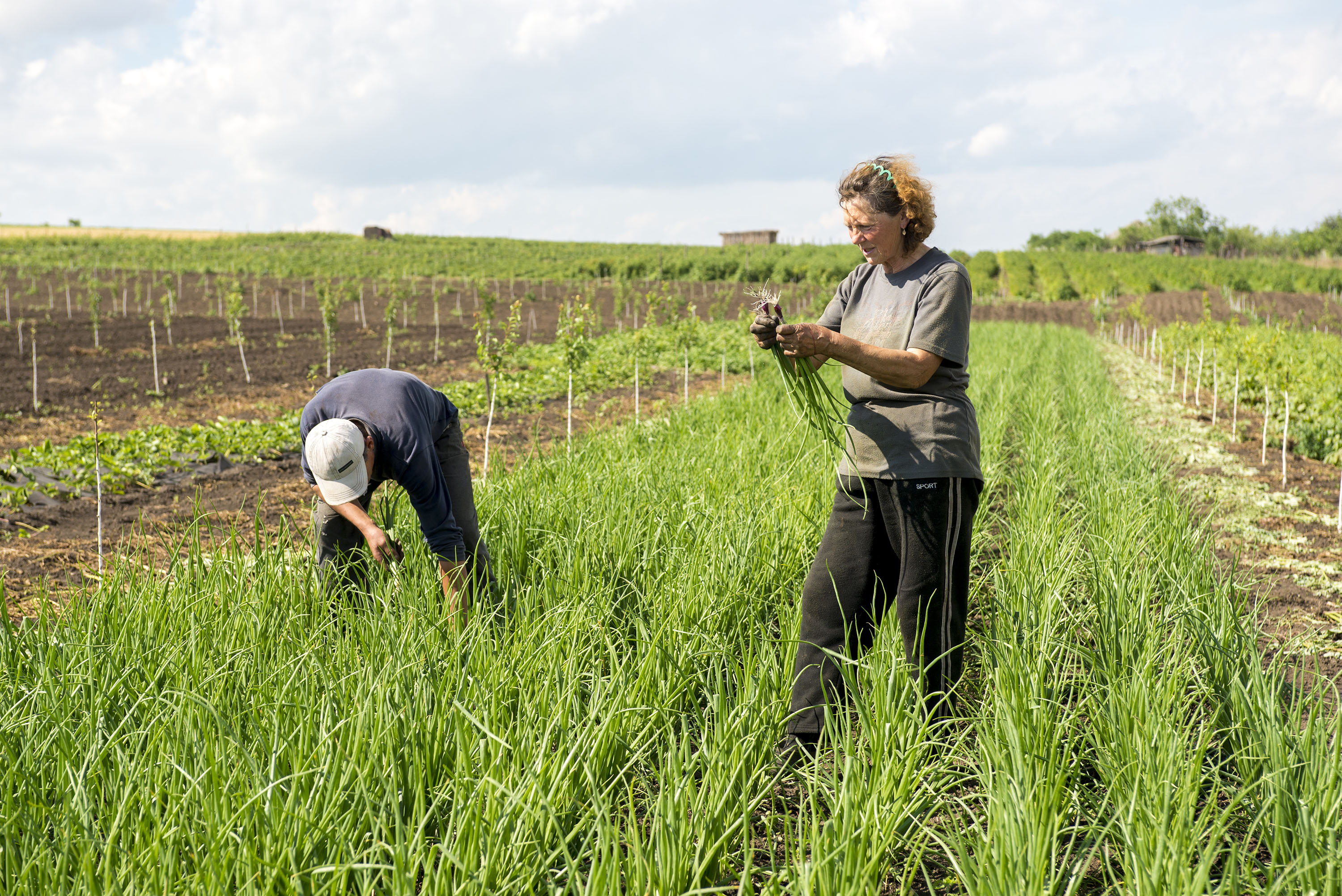
CropCircle Grow encourages productive farming systems that respect soil, animals, water, biodiversity, and the communities connected to agriculture.
The value of a responsible agricultural approach
We promote farming systems that consider long-term productivity rather than short-term output alone. Responsible agriculture should protect soil, use water carefully, support biodiversity, and reduce avoidable waste.
Every farm has different conditions. Our agricultural approach is designed to be adaptable to small farms, family businesses, commercial operations, community projects, and emerging agribusiness ventures.
The foundation of organic farming is a healthy production environment. We place strong attention on soil improvement, crop diversity, natural cycles, pollinators, and responsible land management.
Agriculture is both a production activity and a business. We encourage farmers to understand costs, pricing, customer expectations, operational efficiency, cash flow, and market positioning.
CropCircle Grow values realistic information. We avoid exaggerated claims and encourage readers to evaluate local regulations, climate conditions, certification requirements, and professional advice before making major investments.
A sustainable agricultural business can begin on a small scale. Intensive vegetable gardens, herb farms, nurseries, beekeeping, mushroom production, and farm-based services may offer opportunities for entrepreneurs with limited land, provided the business model is carefully planned.
Agriculture requires patience. Weather, markets, pests, labor availability, and production costs can change. We encourage resilient planning, continuous learning, accurate records, and gradual improvement.
Quality affects every part of the agricultural chain, from seed selection and field care to harvesting, storage, packaging, and delivery. A consistent focus on quality helps build customer trust and supports a strong reputation.
Agribusiness and organic farming solutions
A successful organic farm begins with a well-structured plan. CropCircle Grow helps explain the key components of farm planning, including land evaluation, crop rotation, production scheduling, infrastructure requirements, labor planning, storage, packaging, and distribution.
We support thoughtful decisions about the type of farm that best suits a specific location and market. Depending on available land, climate, water, budget, and customer demand, a producer may consider seasonal vegetables, perennial crops, herbs, edible flowers, mushrooms, microgreens, or mixed farming systems.
Our approach emphasizes realistic planning. We encourage farmers to begin with manageable production areas, test their ideas, monitor demand, and expand gradually when operations become stable. This reduces unnecessary risk and allows producers to improve their systems over time.
Healthy soil is one of the most valuable assets on any farm. CropCircle Grow highlights practical strategies for maintaining soil structure, biological activity, moisture retention, and natural fertility.
These strategies may include:
Good soil management can support stronger crops and improve the farm’s ability to withstand changing weather conditions. Soil should be treated as a living system rather than an inert growing medium. Regular observation, testing, and record keeping help farmers understand what their land needs and prevent avoidable problems.
CropCircle Grow provides ideas for producing vegetables, fruits, herbs, and other crops with responsible resource management. We focus on crop selection, seasonal planning, spacing, seed quality, integrated pest management, irrigation efficiency, harvesting, and post-harvest handling.
Sustainable production is based on prevention and balance. Farmers can reduce crop losses by selecting varieties suited to local conditions, improving airflow, maintaining clean growing areas, and encouraging beneficial organisms. Monitoring fields regularly allows problems to be identified before they become expensive or difficult to control.
We also recognize the importance of crop diversity. A diversified farm may be better positioned to respond to changes in weather, market demand, and seasonal production. Mixed crops can also create a more attractive environment for pollinators and beneficial wildlife when planned carefully.
Greenhouses, tunnels, shade structures, and other protected growing systems can help extend the growing season and improve control over production conditions. CropCircle Grow explores how growers can use protected agriculture to produce herbs, leafy greens, seedlings, tomatoes, peppers, strawberries, flowers, and specialty crops.
Effective protected cultivation requires attention to ventilation, temperature, humidity, light, irrigation, growing media, plant spacing, sanitation, and energy use. A greenhouse should be planned according to the crops and climate rather than treated as a universal solution.
Small growers may benefit from simple structures and efficient workflows, while larger operations may require automated climate control, fertigation systems, climate sensors, and specialized logistics. We encourage producers to compare installation costs, maintenance needs, expected yields, and market prices before investing.
Producing high-quality food is only one part of a successful agricultural business. Farmers also need reliable ways to reach customers. CropCircle Grow covers farm-to-market strategies such as local markets, farm shops, restaurants, food cooperatives, online ordering, subscription boxes, wholesalers, and direct delivery.
A strong market strategy begins with understanding customer expectations. Buyers may value freshness, traceability, local production, seasonal variety, convenient packaging, or specific certifications. Clear communication helps customers understand the value of responsibly produced food.
We also emphasize consistency. A farm business should consider whether it can meet expected volumes, maintain quality, deliver on time, and respond professionally to customer questions. Building long-term relationships often creates more stable opportunities than relying only on occasional sales.
Farmers can often increase the value of their production by developing carefully planned products such as dried herbs, preserves, sauces, juices, herbal blends, baked goods, natural cosmetics, or packaged specialty foods. CropCircle Grow explores the principles behind value-added agriculture, including product selection, branding, packaging, food safety, labeling, pricing, and distribution.
Value-added products should be developed according to customer demand and the farm’s real capabilities. A successful product requires more than an attractive label. It must be safe, consistent, legally compliant, easy to store, and financially viable.
Modern farm management can benefit from practical digital tools. CropCircle Grow discusses technologies that may help producers organize planting schedules, track expenses, monitor field conditions, manage inventory, analyze yields, and improve communication with customers.
Useful tools may include:
Technology should simplify work and improve decisions. Farmers do not need to adopt every new tool. The most valuable system is usually the one that solves a specific problem, is affordable to maintain, and can be used consistently by the people managing the farm.
CropCircle Grow also supports the educational side of agriculture. Workshops, farm visits, community gardens, school programs, and practical demonstrations can help people understand where food comes from and why responsible farming matters.
Education can strengthen trust between producers and consumers. It can also inspire young people to explore careers in farming, agronomy, food processing, environmental management, agricultural technology, and rural entrepreneurship.
A complete production system
Organic farming is most effective when it is treated as a complete system. It includes soil management, crop rotation, biodiversity, responsible pest control, efficient water use, and careful post-harvest handling. Organic methods must also be adapted to local conditions and relevant legal requirements.
CropCircle Grow encourages farmers to consider integrated solutions rather than relying on one technique. For example, pest management may combine resistant varieties, crop rotation, physical barriers, habitat for beneficial insects, field monitoring, and approved treatments when necessary. Weed management may combine mulching, mechanical cultivation, crop spacing, cover crops, and timely field work.
Organic farming can provide meaningful opportunities, but it also requires preparation. Producers should understand certification rules, record-keeping duties, input restrictions, market expectations, and the costs associated with transition periods. A clear plan helps avoid confusion and supports greater credibility with buyers.
Planning for uncertainty
A resilient agribusiness is prepared for uncertainty. It does not depend on one crop, one customer, or one sales channel whenever diversification is practical. Farmers can strengthen their operations by developing several complementary activities, such as fresh produce, seedlings, educational visits, processed goods, seasonal boxes, or agricultural services.
Financial planning is equally important. Before starting a project, producers should estimate land preparation costs, equipment, seeds, organic inputs, irrigation, labor, packaging, transportation, marketing, insurance, maintenance, and administrative expenses. Revenue estimates should be based on realistic production levels and market prices rather than optimistic assumptions.
CropCircle Grow believes that responsible growth is usually better than uncontrolled expansion. Improving production systems, reducing waste, strengthening customer relationships, and documenting results can create a more durable business than simply increasing acreage.
Begin your agricultural journey
Whether you are an experienced farmer, a new agricultural entrepreneur, a food business owner, or someone interested in organic production, CropCircle Grow is a place to explore responsible opportunities in agribusiness and sustainable farming.
Contact us to discuss organic farm planning, agricultural business ideas, crop production, sustainable land management, greenhouse cultivation, farm-to-market strategies, and value-added products.
Location
CropCircle Grow
Via Giovanni Amendola 16
00185 Rome, Italy